FOSTER PARENT EXPECTATIONS
What You Need to Know As You Set Sail To Foster
Thank you for considering fostering a dog with Fly To Freedom Dog Rescue (FTFDR). Foster families make our lifesaving work possible by opening their homes to dogs while they wait for permanent families.
Fostering is incredibly rewarding, but it is also a commitment and comes with important responsibilities.
We want every foster parent to understand what to expect when fostering a dog into their home for FTFDR.
These expectations are intended as a plain-language guide to your responsibilities as a foster parent. They supplement, but do not replace, the terms of the FTFDR Foster Parent Agreement you sign.

FOSTER PARENT EXPECTATIONS
Clear Guidance for a Safe Foster Parent Experience
01
Understand That You Are Fostering a Rescue Dog
Many of our dogs come to us from Anguilla and occasionally Saint Martin. While obtain comprehensive veterinary care for every one of our dogs and gather as much background information about each dog as reasonably possible, we will not know everything about a rescue dog’s history.
A dog may behave differently after arriving in a new environment.
You may encounter:
- Excitement and joy from the dog
- Calmness and docile
- Fear or anxiety
- House-training accidents
- Barking or crying
- Chewing or destructive behavior
- Resource guarding
- Separation anxiety
- Difficulty walking on a leash
- Fear of unfamiliar people, children or other animals
- Unexpected reactions or behaviors
Every dog has its own personality and comes from a different background.
Fostering requires patience, reasonable judgment, supervision and a willingness to allow a dog time to adjust.
FTFDR cannot guarantee how any dog will behave in any situation.
New to fostering? Keep our New Dog DO’s & DON’Ts guide handy for the first days and weeks.
02
You Are Responsible For Supervision and Safety
While you foster one of our dogs in your home, you are responsible for providing reasonable supervision and maintaining a safe environment.
You are expected to:
- Keep the dog safely indoors as a member of your household.
- Never allow the dog to roam freely or remain unsupervised outdoors.
- Secure doors, gates, fences, leashes and harnesses.
- Supervise interactions with children, visitors and other animals.
- Introduce resident pets slowly and carefully on neutral territory (on the street, sidewalk, or nearby park)
- Always feed the foster dog separately from other household animals in a room with a closed door.
- Separate animals immediately if you observe aggression, resource guarding, significant stress or incompatibility.
- Use reasonable caution in unfamiliar environments.
Do not put yourself, another person, another animal or the foster dog into a situation you believe may be unsafe.
03
Your Personal Safety and Medical Care Are Your Responsibility
This is extremely important.
If you, someone in your household, a visitor or another person is bitten, scratched or otherwise injured by your foster dog, do not wait for FTFDR to tell you whether to seek medical care.
You are responsible for making decisions concerning your own health and safety.
If you believe an injury requires medical attention, seek appropriate medical care from a physician, urgent care center or emergency department.
If there is a serious or potentially life-threatening emergency, call 911 immediately.
FTFDR:
- Does not need to authorize medical treatment for a person.
- Does not provide medical advice.
- Cannot diagnose an injury.
- Cannot determine whether you need medical treatment.
- Should never be used as a substitute for a licensed healthcare professional or emergency service.
Never delay necessary medical care while waiting for someone from FTFDR to respond.
Once immediate medical and safety needs have been addressed, notify us of the incident as soon as reasonably possible. You can contact Leigh Fazzina, President of FTFDR at leigh@flytofreedomdogrescue.org and also your Foster Parent Liaison, Tara or Cindy by phone.
04
FTFDR Is Not a 24-Hour Emergency Service
Fly To Freedom Dog Rescue is a volunteer-operated, foster-based nonprofit organization.
We do not operate:
- A 24-hour emergency hotline
- A staffed call center
- A physical animal shelter
- A kennel or boarding facility
- An emergency medical service
Our Board members, foster parent liaisons, transport coordinators and other team members are volunteers. They have jobs, families and personal responsibilities and may be sleeping, traveling, working, in appointments or otherwise unavailable when you call or text.
Team members will respond and assist as reasonably and promptly as possible, but you should never delay necessary action involving immediate human health or safety while waiting for FTFDR to respond.
05
If a Dog Bite or Aggressive Incident Occurs
Your priorities should be:
Protect people → Address injuries → Secure the dog → Notify FTFDR.
If a dog bite from your foster dog or aggressive incident occurs:
- Move people and other animals away from the dog.
- Seek appropriate medical attention for anyone injured.
- Safely secure or separate the dog if you can do so without putting yourself at further risk.
- Use a crate, separate room, closed door, baby gate or other secure barrier when appropriate.
- Keep the dog separated from children, visitors and other animals.
- Do not punish, hit, yell, corner or physically confront the dog.
- Notify FTFDR as soon as reasonably possible and provide an accurate description of what occurred.
If you cannot safely control the situation without risking additional injury, prioritize human safety and contact the appropriate emergency authority when necessary.
06
Human Medical Care and Dog Veterinary Care Are Different
Please understand this important distinction.
FOR A PERSON:
You do not need permission from FTFDR to seek medical care for yourself or anyone else.
FOR THE FOSTER DOG:
FTFDR retains authority over routine and non-emergency veterinary decisions.
Do not independently schedule or authorize routine veterinary care, medications, vaccinations, tests, procedures or surgeries for the foster dog without FTFDR approval.
If the foster dog experiences a genuine life-threatening veterinary emergency requiring immediate care to prevent serious harm or death, follow the emergency provisions of your Foster Parent Agreement, make reasonable efforts to contact FTFDR and notify us as soon as reasonably possible.
07
We Cannot Immediately Remove A Dog From Your Home
FTFDR is a foster-based rescue. We do not have a physical shelter.
If you decide abruptly that you can no longer foster a dog, we cannot simply send someone immediately to pick up the dog as there may not be anyone in your immediate region to step in and take over.
A replacement foster home must be:
- Located
- Available
- Appropriate for the particular dog
- Screened and approved when necessary
- Coordinated for transfer
Once a replacement foster is identified, you may also be required to transport the dog to the new approved foster home or transfer location.
Finding another placement can take 24 hours, several days or longer, depending on the circumstances and foster parent availability.
Until an approved transfer is arranged, you are expected to continue providing safe, humane care and use appropriate management measures such as separation, gates, crates or closed rooms when necessary.
You may not independently surrender, abandon, give away, board or transfer an FTFDR dog to another person, shelter, rescue, veterinarian, animal-control agency or other organization without FTFDR’s authorization.
08
Fostering Does Not Have a Guaranteed End Date
When you agree to foster for FTFDR, you are agreeing to care for the dog until:
- The dog is adopted into an approved permanent home, or
- FTFDR arranges another approved placement.
Some dogs are adopted quickly in just a few days or a week. Others take longer up to a couple of months.
We cannot guarantee that a dog will be adopted within a particular number of days or weeks.
Please consider your schedule, travel plans, household circumstances and ability to make this commitment before accepting a foster dog.
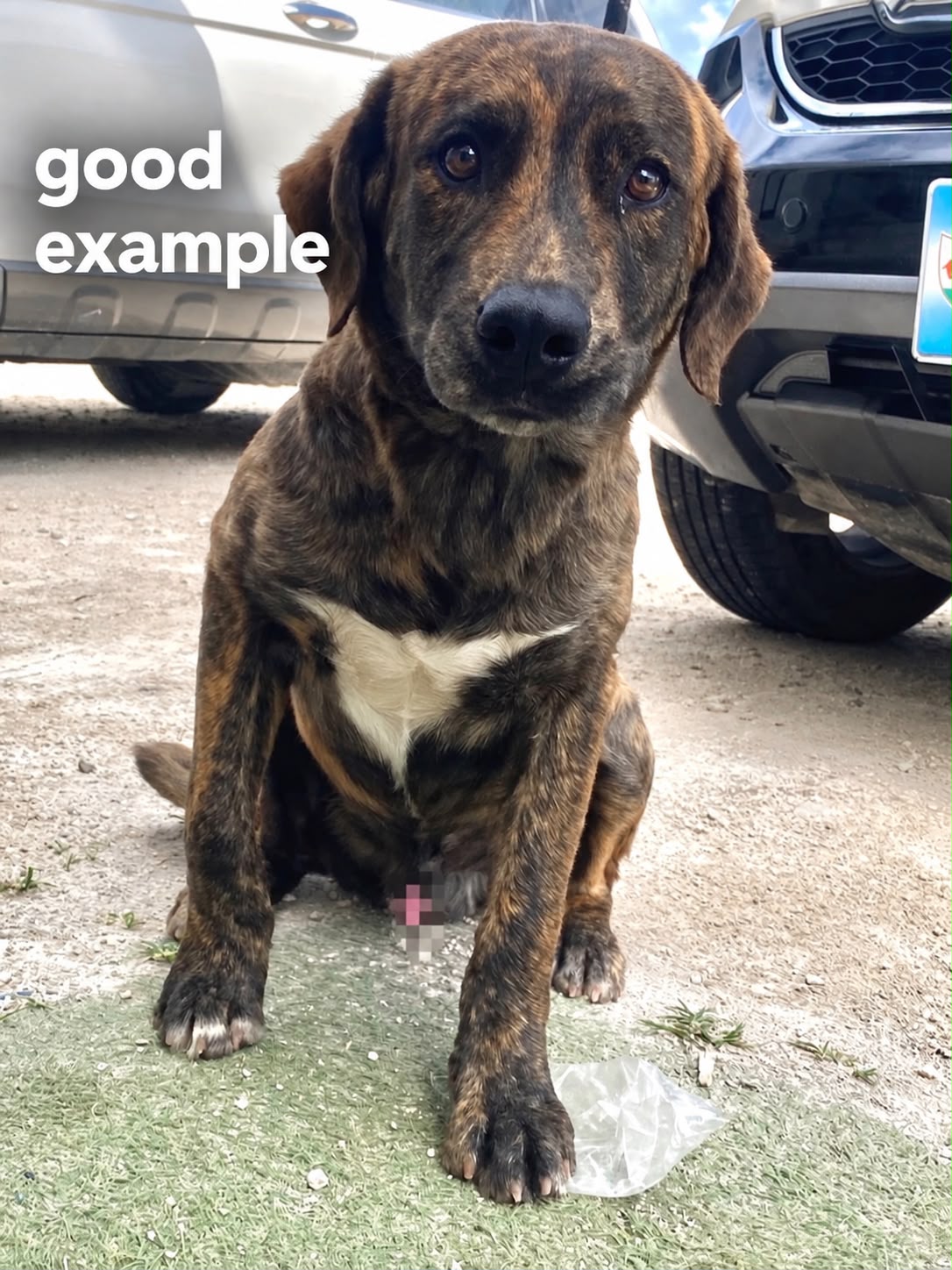
What speeds this process up is having making sure you take great photos and videos of your foster dogs that FTFDR can use for promotion. The stronger they are, they better the dog shows and the faster a forever home will be found.
09
If You Have Other Pets
Your resident animals should be healthy and appropriately vaccinated before bringing a foster dog into your home.
Introductions should be gradual and supervised.
Never assume that two dogs will automatically get along and that you can bring a foster dog into your living room for the first time and that everyone will be friends.
Watch carefully for:
- Growling or snapping
- Resource guarding
- Stiff body language
- Fear or avoidance
- Escalating play
- Stress around food, toys or people
Always feed the foster dog separately from other animals.
If you see concerning behavior, separate the animals safely and contact FTFDR.
10
If Your Foster Dog Gets Lost
Act immediately.
Do not sit and wait for FTFDR to organize the search.
Immediately:
- Begin searching the surrounding area.
- Ask family, friends and neighbors to help get a sighting of the dog.
- Notify FTFDR.
- Contact local police, animal control, shelters and veterinary offices as appropriate.
- Post on local social media and lost-pet platforms.
- Distribute lost-dog information within the community.
The first hours after a dog escapes can be critical. Foster parents are expected to actively participate in recovery efforts.
11
Food, Supplies and Daily Care
Unless otherwise arranged with FTFDR, foster parents are expected to donate and provide appropriate food and basic supplies for their foster dog.
You are responsible for:
- Food and fresh water
- Appropriate exercise
- Safe shelter inside your home
- Basic supplies
- Daily supervision
- Humane and attentive care
Follow any feeding or care instructions provided by FTFDR.
12
Help Us Get Your Foster Dog Adopted
Fostering is more than providing a place for a dog to stay. You play an important role in helping us find the right permanent family.
Within the first few days, we may ask you to provide:
- Clear, good-quality photos
- Videos
- Information about personality and temperament
- House-training observations
- Behavior around people and animals
- Likes, dislikes and quirks
Please respond promptly when FTFDR requests information about your foster dog.
The more we know, the better we can promote the dog and identify an appropriate adopter.
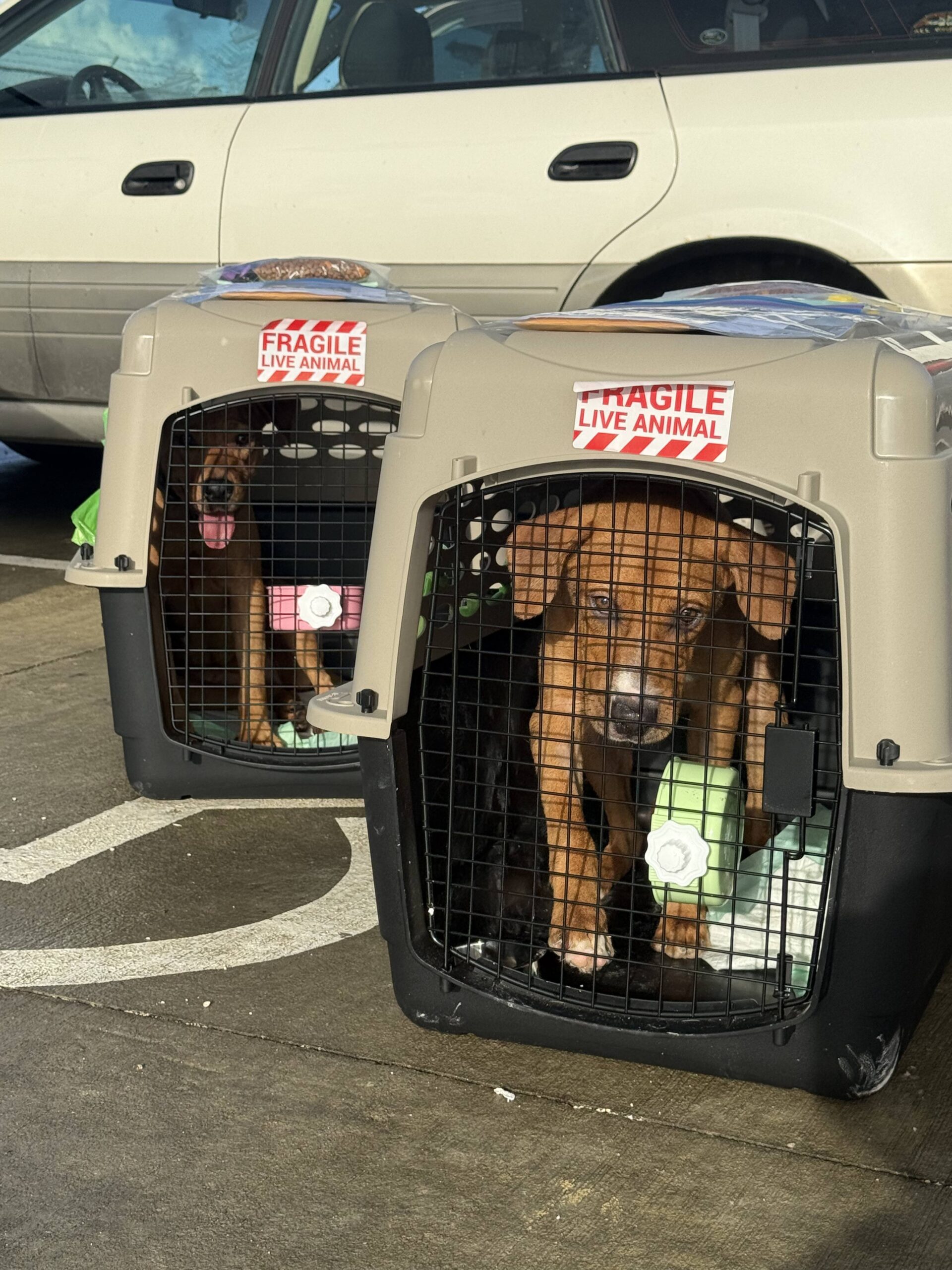
Need help with photos? Listen to our quick photo guide and see two good examples below.
13
FTFDR Controls the Adoption Process
You are encouraged to tell friends, family and others about your foster dog, and they are welcome to apply to adopt – but FTFDR makes all final adoption decisions.
You may not independently:
- Promise the dog to someone.
- Approve an adopter.
- Arrange an adoption.
- Transfer the dog.
- Schedule an unauthorized meet-and-greet.
- Represent that someone has been approved.
Anyone interested in adopting must complete FTFDR’s official adoption application and go through the adoption process.
If you become interested in adopting your foster dog yourself, notify FTFDR within the timeframe stated in your Foster Parent Agreement. You have first right of refusal in your first 5 days of fostering the dog to adopt.
14
Having Homeowners or Renters Insurance
Foster parents are expected to maintain homeowners or renters insurance with liability coverage applicable to dog-fostering as required by the Foster Parent Agreement.
Please understand your own insurance coverage before agreeing to foster.
FTFDR does not provide personal insurance coverage to replace your own homeowners, renters, medical or other applicable insurance.
15
Communication Is Important
Please tell us about problems early.
Do not wait until a manageable issue becomes a crisis.
Contact FTFDR if you observe:
- Aggression or concerning behavior
- Resource guarding
- Problems with resident animals
- Significant illness or injury involving the dog
- An escape or missing dog
- A major change in your ability to continue fostering
- Any other significant concern
Early communication gives everyone more time to develop a reasonable solution.
At the same time, please remember that FTFDR volunteers may not always be able to respond immediately.
All communication should remain respectful, cooperative and focused on finding the best solution for the dog and everyone involved.
16
Before You Say “Yes” To Fostering
Please ask yourself:
- Am I prepared to supervise and care for a rescue dog every day?
- Does everyone in my household agree to fostering?
- Am I prepared for accidents, barking, chewing or other adjustment behaviors?
- Can I safely separate the foster dog from my pets if necessary?
- Am I comfortable managing an unexpected behavioral issue?
- Do I understand that FTFDR cannot guarantee an immediate replacement foster?
- Can I continue caring for the dog while another placement is arranged if necessary?
- Am I prepared to seek medical care on my own if I am injured rather than waiting for FTFDR?
- Do I understand that FTFDR is not a 24-hour emergency service?
- Can I help provide photos, information and cooperation needed to get the dog adopted?
- Do I understand that I cannot independently give away, surrender or transfer the dog?
If you have concerns about any of these expectations, please discuss them with us before accepting a foster dog.
FOSTER PARENT RESOURCES
Helpful Guides to Keep Close
Use these practical resources during your foster journey. Keep the new-dog guide available for the first days and weeks, and use the photo tips when it is time to help your foster dog shine for potential adopters.
New Dog DO’s & DON’Ts
A practical guide for helping a rescue dog settle into a new home, including the first few weeks, routines, house training, and careful introductions to resident dogs.
Preview the guide on this page
How to Take Great Foster Dog Photos
Clear, natural photos help FTFDR show a foster dog’s personality and give potential adopters a better first impression. Listen to the short recording before taking or sending photos.

OUR COMMITMENT TO YOU
We are here to support your foster journey.
FTFDR will make reasonable efforts to support you throughout the foster experience.
We will provide all available information about your foster dog to you, coordinate authorized veterinary care, provide guidance when issues arise, promote the dog for adoption, screen prospective adopters and work with you toward a successful placement.
In return, we ask our foster parents to be responsible, communicative, patient and prepared to exercise reasonable judgment while the dog is in their care.
The Most Important Things to Remember
If a person is injured
Take care of the person first. Seek medical care when needed. Do not wait for FTFDR’s permission.
If there is immediate danger
Call 911 or the appropriate emergency authority.
If there is a bite or aggressive incident
Protect people, address injuries, safely separate and secure the dog, then contact FTFDR.
If the dog needs routine veterinary care
Contact FTFDR before obtaining treatment.
If the dog has a life-threatening veterinary emergency
Obtain necessary emergency assistance consistent with your Foster Parent Agreement and contact FTFDR as soon as reasonably possible.
If the dog escapes
Begin searching immediately and notify FTFDR.
If you can no longer foster
Contact us as early as possible and continue safely caring for the dog while an approved alternative placement is arranged.
Fostering saves lives.
Clear expectations, responsible decision-making, good communication and teamwork help make fostering safer and more successful for the dogs, foster families and everyone involved.